- About
- Conditions
- Treatments
- Balloon Sinuplasty
- Resources
- Contact Us
- About
- Conditions
- Treatments
- Balloon Sinuplasty
- Resources
- Contact Us
Septoplasty Surgery in Glendale, CA
Septoplasty Surgery
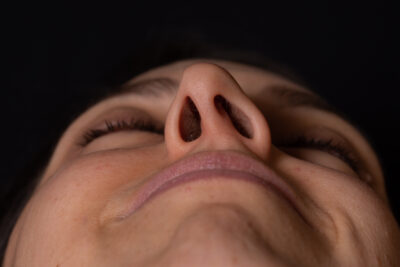
What is a Septoplasty?
Septoplasty is a procedure to straighten a crooked or bent nasal septum, the wall inside the nose that separates the nostrils.
The septum is the wall of bone and cartilage that separates the nasal cavity into two different nostrils, when it becomes becomes severely deviated, one nasal passage is much smaller than the other which leads to problems breathing through the nose, frequent nosebleeds, and other sinus symptoms. If the cartilage or bone is not straight, the septum is considered deviated and in need of a procedure called Septoplasty.
Dr. Michael Bublik is known for precision septoplasty in Los Angeles, Dr. Michael Bublik will resolve this issue and get you breathing free and clear again.
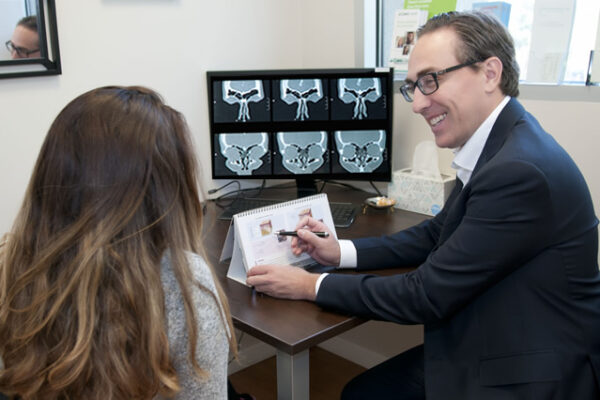
What are the Symptoms of a Deviated Septum?
A deviated septum needing repair can lead to bothersome symptoms and conditions including:
- Prolonged sinus infections
- Sleep apnea
- Nose bleeds
- Persistent sneezing
- Difficulty breathing
- Loss of the sense of smell
- Nasal pain
- Obstruction of the nasal pass
Why Dr. Bublik?
Michael Bublik, MD specializes in Septoplasty and in the medical and surgical treatment of patients with various nasal and sinus disorders including nasal obstruction, environmental allergies, acute and chronic sinusitis, nasal polyps, and sinus headaches. Dr. Bublik is a board-certified Head and Neck Surgeon and recognized leader in the field and has trained with the leading experts in this surgery.
Dr. Bublik realizes the special need among patients who would at times travel long distances (often cross country) to see him for their complex nasal, ENT, and Facial Plastics problems. These patients were uniformly looking for a physician who focused on the comprehensive management of their problems and offered both medical and surgical options to treat their condition.
Dr. Bublik focuses on patients with nasal issues and is often regarded to as the nasal, sinus, and allergy expert and specialist. He focuses on the multitude of innovative medical and surgical treatment options available to patients with nasal and sinus disorders.
He only uses MINIMALLY INVASIVE TECHNIQUES in order to maximize patient comfort, improve outcomes, and get patients back on their feet as soon as possible. He also routinely performs Balloon Sinuplasty to treat select patients with acute and chronic sinusitis, and is one of only a few physicians who perform this procedure in-office and in the operating room. Nonetheless, what stands out most about Dr. Bublik is his compassion and professionalism in the treatment of his patients.
This quality is not only expressed by the multitude of patients he has treated for years but by the numerous physicians who refer him patients regularly and come to see him as patients themselves.
Why Procedure is Performed
To repair a crooked, bent, or deformed nasal septum that blocks the airway in your nose. People with this condition usually breathe through their mouth and may be more likely to get nasal or sinus infections.
Before Surgery
You will meet with your anesthesiologist — the doctor who will give you your anesthesia medicine and monitor your condition before, during, and right after your surgery. You will discuss your medical history to help determine the right amount and type of anesthesia to use. You may be asked to stop eating and drinking after midnight the night before the procedure.
Be sure you tell your doctor or nurse about any medicines you take, even drugs, supplements, or herbs you bought without a prescription. Also tell your doctor if you have any allergies or if you have a history of bleeding problems.
After Surgery
You may be asked to stop taking any drugs that make it hard for your blood to clot 1-2 weeks before your surgery. Some of these are aspirin, ibuprofen (Advil, Motrin), naproxen (Aleve, Naprosyn), and some herbal supplements.
You will go home on the same day as surgery and your nose will NOT be packed. Most people are back to their normal activity either the same day or within a few days of surgery since Dr. Bublik uses minimally invasive techniques to treat the nasal septum.
You will be given detailed instruction and Dr. Bublik will spend the time needed to explain everything to you before surgery and is always available to you after surgery.
GET IN TOUCH

Your Relief Starts Here
Get in touch today and take the first step toward breathing easier, sleeping better, and living healthier.
FAQs
Septoplasty is a surgical procedure that straightens a deviated nasal septum to improve airflow through the nose.
A deviated septum may be present from birth or result from nasal injury or trauma at any point in life.
You may need septoplasty if you experience chronic nasal congestion, difficulty breathing through one side of the nose, frequent sinus infections, or recurring nosebleeds.
No, septoplasty is a functional procedure performed to improve breathing and nasal airflow, not to change the appearance of the nose.
The surgery is done through the inside of the nose, where the surgeon repositions or removes portions of cartilage and bone causing obstruction.
Some improvement may be noticed quickly, but full breathing benefits are usually felt once swelling subsides over several weeks.
Yes, septoplasty is typically performed under general anesthesia, although some cases may use local anesthesia with sedation.
The procedure usually takes about 30 to 90 minutes, depending on the complexity of the deviation.
In most cases, nasal packing is not required, especially when minimally invasive techniques are used.
Most patients return to normal activities within a few days, though strenuous activity should be avoided for about two weeks.
Yes, improving nasal airflow can help reduce the frequency and severity of sinus infections in many patients.
As with any surgery, risks exist but are uncommon. These may include bleeding, infection, or persistent nasal obstruction.
Temporary changes in smell can occur due to swelling, but permanent changes are rare.
Most insurance plans cover septoplasty when it is medically necessary to correct breathing obstruction.
You may be asked to stop certain medications, avoid eating or drinking after midnight before surgery, and follow pre-operative instructions provided by your surgeon.