- Home
- About
- Conditions
- Treatments
- Balloon Sinuplasty
- Resources
- Contact Us

- Home
- About
- Conditions
- Treatments
- Balloon Sinuplasty
- Resources
- Contact Us
Facial MOHS Reconstruction in Los Angeles
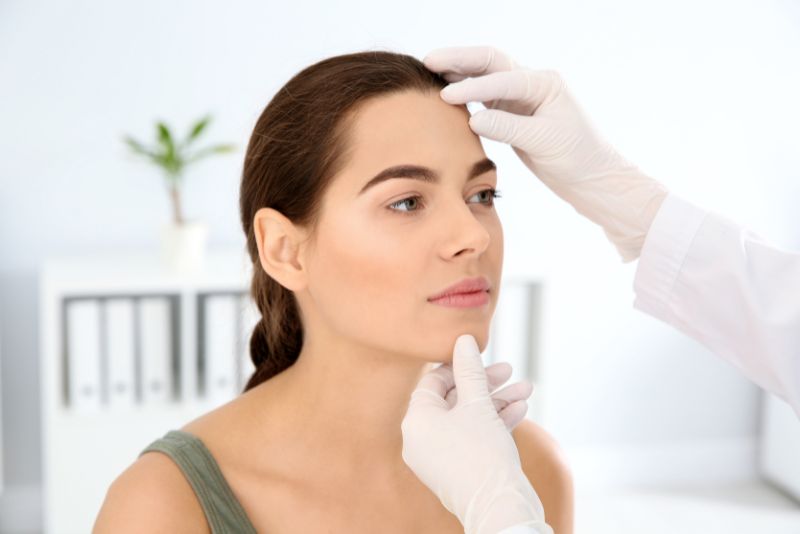
Every patient’s reconstruction plan is personalized depending on the size, depth, and location of the defect. Common approaches include:
- Primary Closure – simple stitches to close smaller wounds
- Skin Grafts – transplanting healthy skin from another area
- Local Flaps – rotating or repositioning adjacent tissue to cover the wound
- Regional or Free Tissue Transfer – for more complex cases requiring advanced reconstruction
- Cartilage or Structural Grafts – often needed for the nose, eyelids, or ears to maintain shape and function
Our team emphasizes natural results, carefully aligning incisions with facial contours to minimize visible scarring.
Why Choose Our Glendale Specialists for MOHS Reconstruction
- Dual Board-Certification in Facial Plastic & Reconstructive Surgery and Otolaryngology (ENT)
- Extensive experience in repairing nose, eyelid, lip, and facial skin cancer defects
- Commitment to both cosmetic results and functional preservation
- Conveniently located in Glendale, serving Burbank, Pasadena, and surrounding Los Angeles communities
The MOHS Reconstruction Process
- Initial Consultation – We review your MOHS surgery results, assess the defect, and discuss reconstruction options.
- Personalized Surgical Plan – Tailored based on location (nose, eyelid, ear, lip, cheek, forehead), size, and functional needs.
- Reconstruction Surgery – Typically performed immediately after MOHS or shortly after healing begins.
- Follow-Up Care – Includes scar management, wound care, and potential revision procedures for optimal results.
Related Services & Resources
- Skin Cancer Treatment – Learn about surgical and medical approaches
- Facial Plastic Surgery – Overview of cosmetic and reconstructive procedures.
- Blog: Understanding Skin Cancer & Reconstruction – Expert tips and patient education
FAQs: Facial MOHS Reconstruction
Not always. Small or superficial wounds may heal well on their own. Reconstruction is most important for the face or when function is at risk.
Our goal is to restore both appearance and function. While no surgery is without scarring, skilled reconstruction minimizes visible differences.
Yes, in many cases, reconstruction is performed immediately after the cancer is cleared to shorten recovery and improve cosmetic outcomes.
Recovery depends on the size and complexity of the repair, but most patients resume normal activity in 1–2 weeks, with scars maturing over months.
The nose, eyelids, lips, and ears — because of their delicate anatomy and cosmetic importance.
Yes, most MOHS reconstruction procedures are considered medically necessary and are typically covered by insurance.
You can still come to our Glendale office for specialized reconstruction even if your MOHS was performed elsewhere.
Yes. Once the graft heals, it becomes permanent skin in the new location. Additional cosmetic refinements may sometimes be needed.
We use techniques like laser therapy, dermabrasion, and scar revision surgery to optimize final results.
Facial plastic surgeons bring expertise in both aesthetics and function, ensuring the best possible cosmetic outcome without compromising vital facial movements.
Schedule Your Consultation
If you’ve undergone MOHS surgery or are planning treatment for facial skin cancer, let our Glendale MOHS reconstruction specialists help restore your confidence and quality of life.
👉 Contact Southern California ENT & Allergy Associates to schedule your consultation today.
GET IN TOUCH

Your Relief Starts Here
Get in touch today and take the first step toward breathing easier, sleeping better, and living healthier.